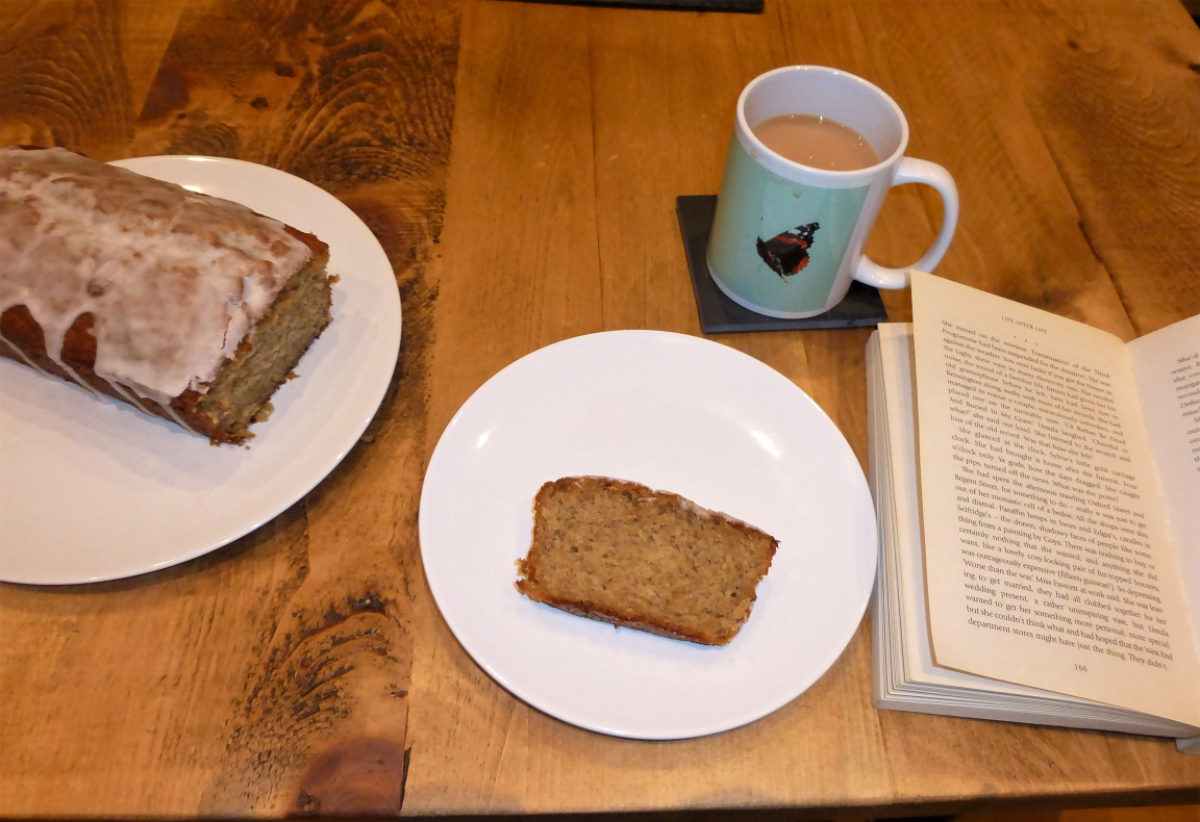
Just under two years ago I wrote a post about Elizabeth Jane Howard’s novel The Light Years, the first novel in a series of five – The Cazalet Chronicles – a family saga spanning three generations and unfolding between 1937 and 1950. The Light Years covers the build-up to the Second World War and – in culinary terms – is a masterclass in the writer’s use of food to locate a story in a particular moment in time. Continue reading “Food as distraction”
Category: The Novel
The State of the Nation novel: part two
In November 2020 I wrote a post on the state of the nation novel, a book that doesn’t just tell a story but also deals with the significant social and political questions at the time the book is set. My focus was Jonathan Coe’s 2001 novel The Rotters’ Club, the first of three novels all featuring the same group of characters. This post is about the second novel, The Closed Circle (published in 2004). Coe’s interest in documenting historical and political events in his own fiction is mirrored in the novel that his principal character, Benjamin Trotter, is writing. Titled Unrest, Benjamin describes it to his niece Sophie: ‘it’s about some of the political events from the last thirty years or so, and how they relate to … events in my own life, I suppose’. Continue reading “The State of the Nation novel: part two”
The State of the Nation novel: part one
As well as telling great stories about complex characters, many novels are interested in the social questions and political changes of their time. As in the title of Anthony Trollope’s highly-acclaimed 1875 novel, such writers explore The Way We Live Now. Continue reading “The State of the Nation novel: part one”
Feeding children
Back in 2015 I wrote a post – The Hungry Child – about Jane Eyre. In that novel, published in 1847, Charlotte Bronte describes in heartfelt terms the hunger that Jane and her fellow pupils experience at the harsh boarding school Lowood.
More than 170 years later and, depressingly, children are still going hungry. Continue reading “Feeding children”